
Best Canopy Tent Weights for Vendors at Craft Fairs and Farmers Markets
Types, weight requirements, and setup tips for keeping your canopy secured at your next farmers market or craft fair.
Quick Navigation
Whether you’re at a farmers market or a craft fair, you will need some sort of weight for your canopy.
While canopies are great for providing shade, they can also become hazardous if there is a strong gust of wind. If your tent is not properly secured, it could knock over your inventory or injure someone. There are many different types of canopy weights. In this guide, we will share the most popular types as well as things you should consider while preparing for your next market. The right choice depends on your budget, your canopy, and the rules of the events you attend.
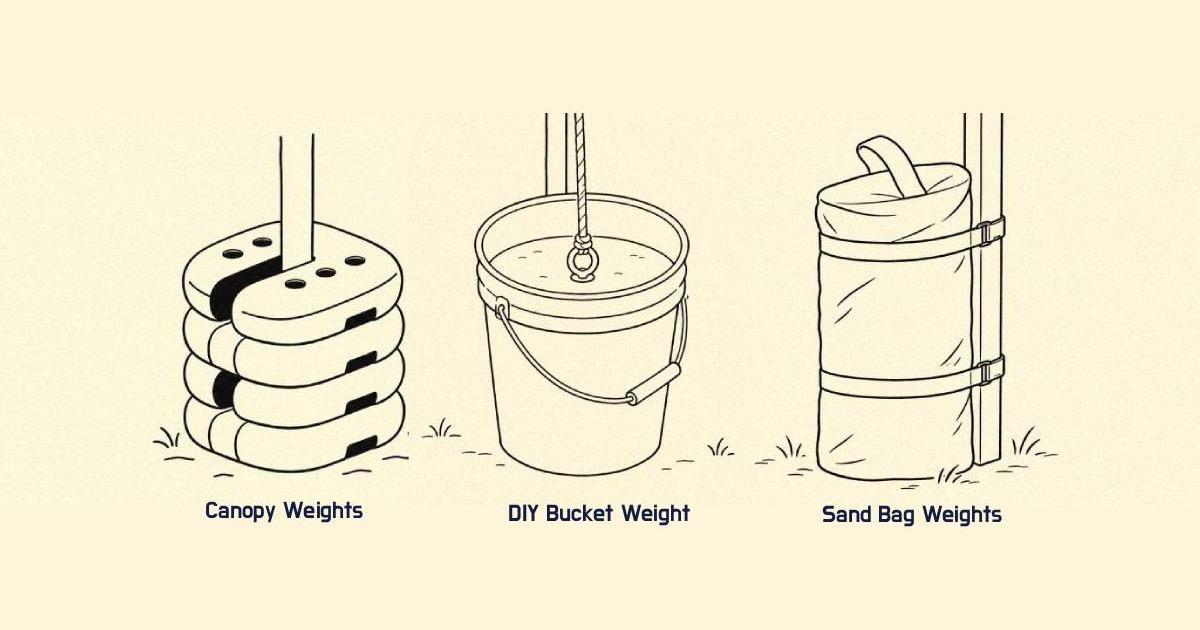

Why Are Canopy Weights Important?
Wind can lift or move a pop-up canopy, potentially injuring shoppers and vendors or damaging merchandise, vehicles, and neighboring booths. Even a heavy canopy frame needs proper anchoring.
Weights help secure your canopy and they are often an event requirement. Arriving without an approved setup could mean taking down your tent or selling without it.
How Much Weight Do You Need Per Canopy Leg?
There is no single weight requirement that applies to every canopy and event. Start by checking your canopy manufacturer’s instructions and the event’s vendor rules. Your setup needs to satisfy both, along with any applicable venue requirements.
For example, the Washington State Farmers Market Association specifies at least 24 pounds per canopy leg. Loudoun’s farmers markets require at least 25 pounds per leg, while High Desert Farmers Market requires 40 pounds per leg.
For a canopy with four legs, those requirements work out to:
- 24 pounds per leg (96 pounds total)
- 25 pounds per leg (100 pounds total)
- 40 pounds per leg (160 pounds total)
These are examples of event minimums. They do not guarantee that your canopy can safely remain standing at a particular wind speed. Larger tents, sidewalls, and awnings may require extra weight to keep it down on windy days. Requirements may vary significantly depending on the location of the farmers market and the season.
Read Weight Listings Carefully
Check whether a product’s advertised weight refers to one piece or the entire set. For example, a “40-pound tent weight set” containing four 10-pound weights provides only 10 pounds per leg. It would not meet a requirement of 40 pounds per leg. For fillable weights, distinguish between the empty shipping weight and the filled capacity.
What to Consider When Choosing Canopy Weights
Event Rules and Appearance Requirements
Before buying or making weights, ask the event host which types are acceptable. Some events restrict weights for safety reasons. Others may also have appearance standards to maintain a consistent, professional look. An organizer might require weights to fit neatly beside the legs, use matching covers, or avoid exposed buckets and homemade containers.
Affordability
Empty sandbags and DIY weights may have a low purchase price, but remember to include filling material, attachment hardware, and any covers required by the organizer. You may also need multiple weights per leg to meet the event’s minimum.
You can always buy used weights to save money. Check local resale groups or Facebook Marketplace to see if anyone has any for sale. Before buying, inspect the weights for damage, confirm that all required attachment hardware is included, and make sure they meet your needs.
Canopy Compatibility
Some weights are made for a specific type of canopy or tent. When looking for weights, make sure that they are compatible with the canopy that you already have. Also make sure that your tent weights will work with your booth layout and that they’re not in the way of customers.
Transportation and Lifting
A setup providing 40 pounds at each of four legs adds 160 pounds to your load. Think about your vehicle space, the distance from parking to your booth, and whether you have a cart or dolly. If you have trouble carrying weights, see if you can park as close to your tent as possible.
Filling and Storage
If you have water weights, check with the organizers to see if there will be a water source available. If there isn’t one, you may have to fill your weights at home. If you are transporting filled weights, such as water or sand, make sure they don’t have any leaks because you don’t want them to spill in your car.
Tips for Using Canopy Weights
- Prepare your weights before opening the canopy. If you set up your tent before the weights are ready, it could cause issues from wind.
- Evenly distribute weight. If one corner is lighter than the other, it could still lift and get blown away. Make sure all corners meet the minimum requirements.
- Use the correct attachment method. A heavy object sitting beside a leg does not secure the canopy. Follow the instructions for your tent and weight system.
- Keep customer paths clear. You don’t want people tripping over your weights. Make sure they are not in the way of customers.
- Inspect your equipment. Check straps, buckles, seams, handles, and closures before the market begins.
- Recheck during the day. Look for shifting weights, loose connections, leaks, or spilled filling material.
Different Types of Canopy Weights
1. Sandbag Canopy Weights
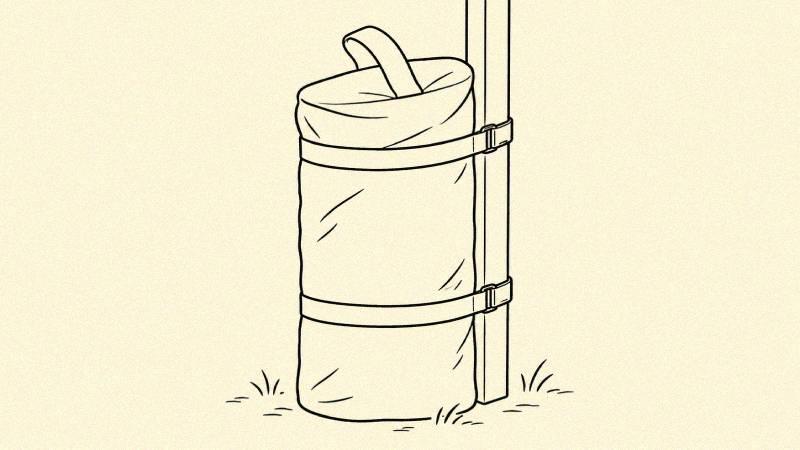
These are some of the most popular weights you’ll see at craft fairs. Purpose-made canopy bags hold sand and attach to the tent legs. They come in different sizes, capacities, and attachment styles.
Pros
- Often an affordable option for new or occasional vendors.
- Reusable bags can keep replacement costs low when maintained.
- Flexible shapes can fit around other equipment during transport.
- Can travel empty if filling arrangements are confirmed.
Cons
- Sand is usually an additional purchase.
- Filling can be messy and time-consuming.
- Fabric, seams, and straps can wear out or leak.
- Smaller bags may require multiple units per leg, increasing the total cost.
2. Water-Filled Canopy Weights
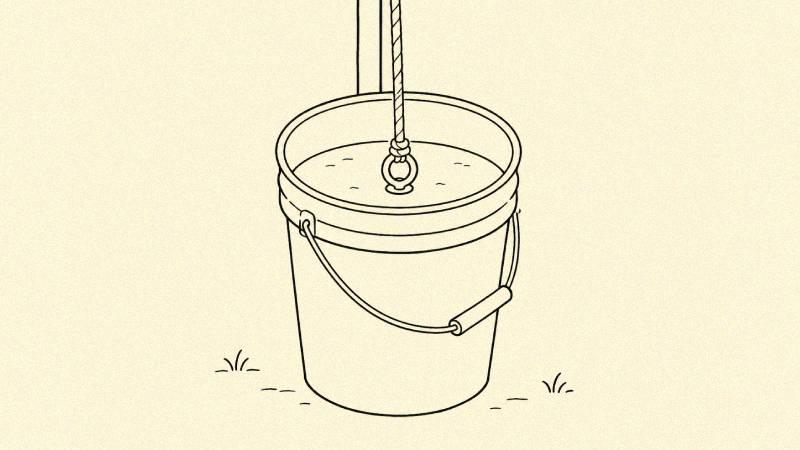
Water weights include rigid containers and flexible bags designed to attach to canopy legs. Vendors can fill them before setup and empty them after taking down the tent, where permitted.
Pros
- Light to transport when empty.
- Water is an inexpensive filling material when available.
- Avoid the mess of loose sand.
- Reusable without carrying permanent ballast between events.
Cons
- Purpose-made containers can cost more than basic sandbags.
- You need confirmed water access and an approved place to drain them.
- Filling and draining add time.
- Containers may be bulky or provide less weight than expected.
3. Metal Canopy Weight Plates
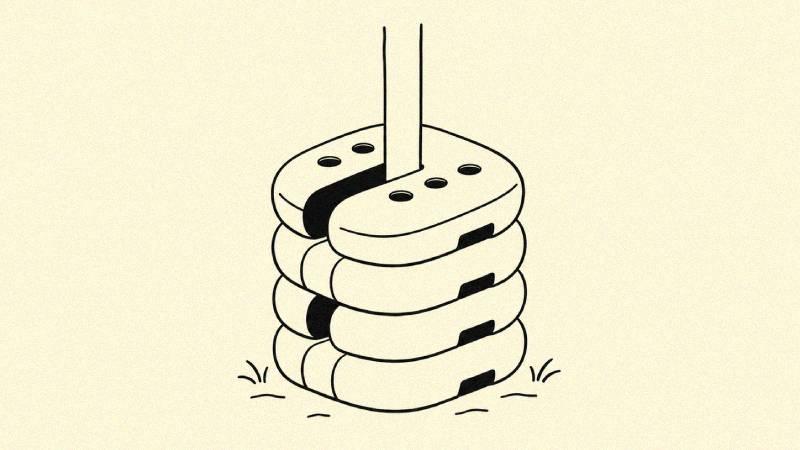
Purpose-made metal plates fit around compatible canopy legs or footplates. Some systems allow several plates to stack or lock together.
Pros
- No filling or draining.
- Consistent weight from event to event.
- Often compact compared with buckets and other containers.
- A tidy appearance may suit events with stricter booth standards.
- Durable construction can make them a practical long-term purchase.
Cons
- Often more expensive upfront than empty bags or DIY weights.
- You must transport the full weight to every event.
- Multiple plates per leg can make a complete set costly.
- Openings and footplate compatibility vary.
- Hard edges and pinch points require careful handling.
4. Prefilled Tent Weights
Prefilled weights arrive ready to use. Depending on the product, the ballast may be enclosed in a molded shell or a sealed bag.
Pros
- No need to buy or measure filling material.
- Quick to use at frequent events.
- Clearly listed weight makes planning easier.
- Some designs include handles or interlocking sections.
- Matching units can create a consistent booth appearance.
Cons
- Usually cost more initially than empty bags or basic DIY options.
- Always heavy during transport.
- Fixed sizes may require several pieces per leg.
- Damaged shells or sealed bags may be difficult to repair.
5. DIY Concrete-Filled PVC Weights
Some vendors make weights from capped PVC pipes filled with concrete. These narrow weights are typically positioned alongside canopy legs, with their placement and attachment subject to approval.
Pros
- Can be an affordable alternative to commercial weights.
- Materials are available at many hardware stores.
- Narrow shapes may pack more easily than buckets.
- No refilling once constructed.
Cons
- Some events prohibit them because they look bad.
- Pipes, caps, and attachment hardware can fail.
- Tall weights need secure restraint.
- Materials and hardware can reduce the savings.
6. DIY Concrete- or Sand-Filled Buckets
Buckets filled with concrete or sand are another budget option. They can provide substantial weight, but their size, appearance, and attachment method can make them unsuitable for some events.
Pros
- Very inexpensive, especially if you already have items.
- Buckets and filling materials are widely available.
- Sand-filled versions can be emptied for transport.
- No specialized commercial weight system to purchase.
Cons
- Some hosts ban buckets or restrict visible DIY containers.
- Bulky in both your vehicle and booth.
- Can create tripping hazards.
- Ordinary bucket handles may not be suitable anchoring connections.
- Concrete-filled buckets remain heavy between events.
- Covers and proper hardware add to the cost.